
Table of Contents
ToggleProductive Summer Vacation in Islam: A Practical Guide for Muslim Families
Summer vacation is one of the most anticipated times of the year for children. After months of lessons, homework, and exams, they naturally look forward to rest, play, and a change of routine. Parents, too, welcome the opportunity to slow down and spend more time with their families.
But without a clear plan, long summer days can quickly turn into late nights, excessive screen time, missed prayers, boredom, and weeks that pass without meaningful benefit.
A productive summer vacation in Islam does not mean filling every hour with study or denying children the rest they need. Islam recognizes the importance of lawful recreation and renewal. The goal is balance: helping children rest and enjoy themselves while continuing to grow in faith, character, knowledge, health, and family connection.
With thoughtful planning, summer can become more than a break from school. It can become a season of worship, learning, joyful memories, and lasting personal growth.
What Does a Productive Summer Vacation in Islam Mean?
A productive Islamic summer is a break from the usual school routine, not a break from purpose, prayer, or good character.
The Prophet Muhammad ﷺ warned that many people fail to appreciate two great blessings:
“There are two blessings that many people are deceived into losing: health and free time.” (Sahih al-Bukhari)
Free time is valuable because it gives a person room to choose. It may be spent in something beneficial, lost in constant distraction, or even used in ways that cause harm. Summer therefore offers parents an important opportunity to teach children that time is a gift from Allah and that enjoying it responsibly is part of gratitude.
This does not require a strict schedule that makes vacation feel like another school term. A balanced summer changes the type of activity, renews energy, and creates space for areas that may receive less attention during the academic year.
Why Muslim Families Should Plan the Summer
Children rarely use long stretches of free time wisely without guidance. When there is no simple family plan, screens and irregular sleeping habits often fill the gap. A healthy plan protects the essentials without removing freedom and fun.
Allah says:
“O you who have believed, protect yourselves and your families from a Fire.” (Qur’an 66:6)
The Prophet ﷺ also said:
“Every one of you is a shepherd, and every one of you is responsible for his flock.” (Sahih al-Bukhari and Sahih Muslim)
Parental responsibility continues during vacation. In fact, summer gives parents more opportunities to observe their children, listen to them, guide their choices, and model the values they want them to carry into adulthood.
The best summer plan is not the busiest one. It is the one that protects worship, strengthens relationships, allows lawful enjoyment, and helps each child make realistic progress.
1. Keep Prayer at the Center of the Day
Vacation is not a vacation from salah. Late nights and late mornings can easily disrupt prayer, especially Fajr. For this reason, prayer times should form the basic structure of the family’s summer routine.
Allah commands:
“And enjoin prayer upon your family and be steadfast therein.” (Qur’an 20:132)
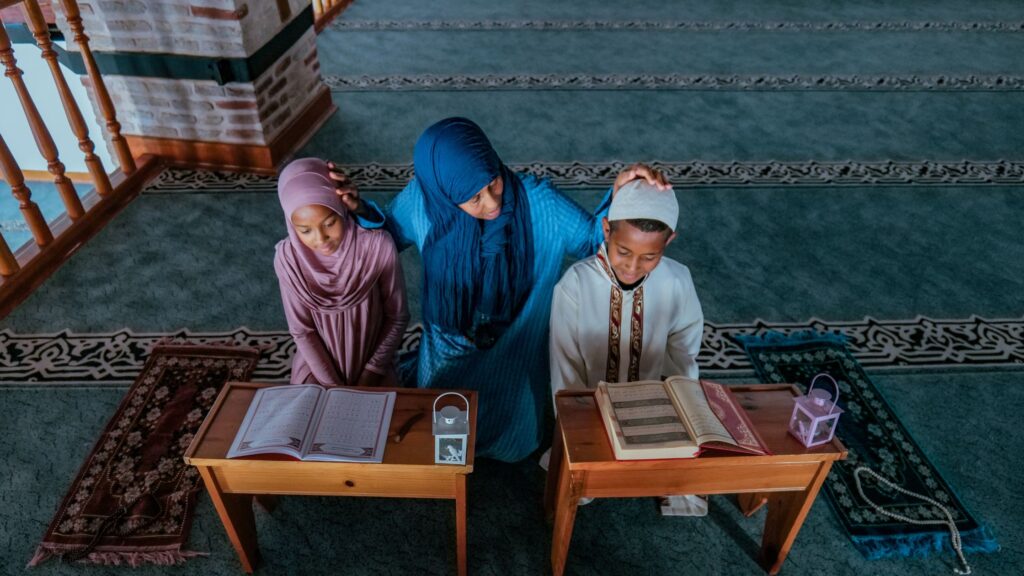
Parents can make prayer a warm family experience by praying together whenever possible, allowing children to take turns giving the adhan at home, visiting the mosque, and speaking positively about meeting Allah through salah.
Rather than relying only on reminders and correction, parents should model consistency. When children see adults planning outings, sleep, and entertainment around prayer, they learn that worship is not an interruption to life; it gives life its direction.
2. Create a Simple Qur’an Routine
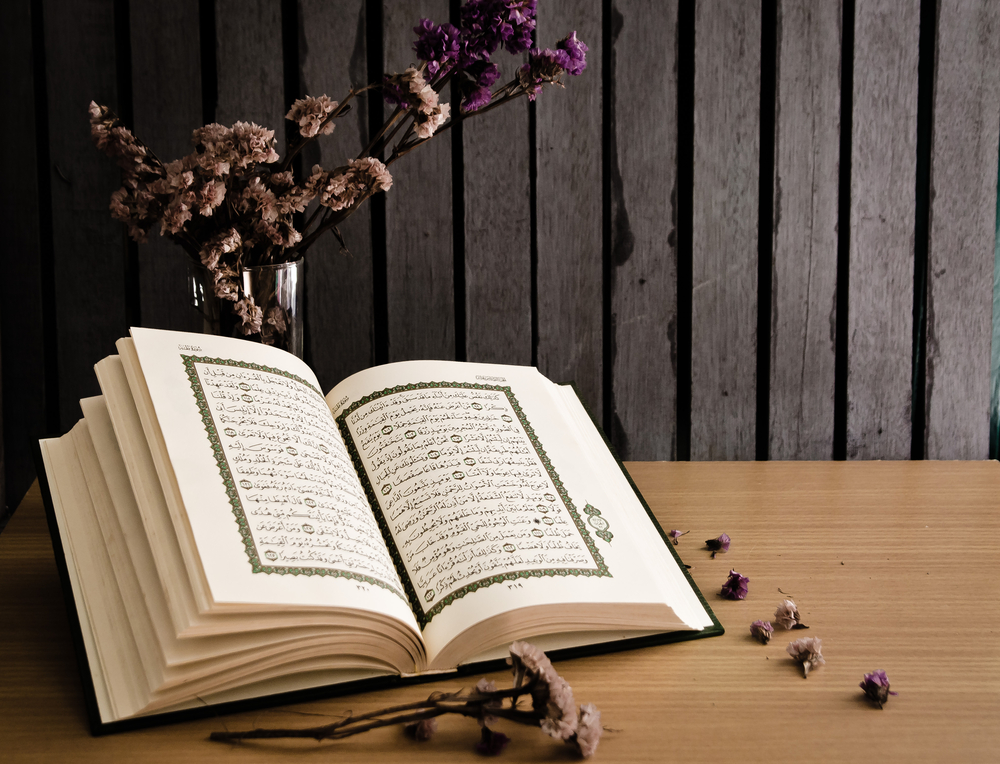
Summer is an ideal time to build a stronger relationship with the Qur’an. The routine does not need to be long. Consistency is more important than an ambitious plan that lasts only a few days.
Depending on the child’s age and current level, a daily Qur’an goal might include:
- Reading or listening for 10 to 20 minutes.
- Memorizing one or two short verses.
- Reviewing previously memorized surahs.
- Learning the meaning of one verse.
- Practicing correct pronunciation with a qualified teacher.
The Prophet ﷺ said:
“The most beloved deeds to Allah are those that are most consistent, even if they are few.” (Sahih al-Bukhari and Sahih Muslim)
A structured Qur’an course can be especially helpful during summer. It gives children a clear goal, regular encouragement, and access to a teacher who can correct mistakes before they become habits.
3. Strengthen Family Bonds
During the school year, parents may be occupied with work while children are busy with classes, homework, and exams. Summer creates valuable space to restore warmth and communication within the home.
The Prophet ﷺ was attentive to his family and helped them at home. When Aishah رضي الله عنها was asked what he did in his house, she said that he used to serve his family, and when the time for prayer came, he went out to pray. (Sahih al-Bukhari)
Family connection can grow through simple moments:
- Eating one screen-free meal together each day.
- Taking a family walk.
- Letting children help choose an outing.
- Cooking or completing a home project together.
- Giving each child time to speak without interruption.
- Holding a short weekly family meeting.
Children do not only need food, clothes, and activities. They also need attention, affection, conversation, and the feeling that their thoughts matter.
4. Enjoy Lawful Recreation
Islam does not teach that every enjoyable activity must be replaced with formal study. Children need movement, play, laughter, exploration, and rest. Lawful recreation relieves boredom, renews energy, and can bring parents and children closer together.
Families might plan:
- Swimming or another suitable sport.
- Visits to parks and natural places.
- Creative arts and crafts.
- Educational trips to museums or historical sites.
- Family games and friendly competitions.
- Travel that respects Islamic boundaries.
Recreation should remain balanced and safe. It should not lead to missed prayers, extravagance, inappropriate environments, harmful content, or neglect of responsibilities.
The goal is not to remove fun from the summer. It is to teach children how to enjoy Allah’s blessings without allowing entertainment to control their time.
5. Reconnect with Relatives
Summer vacation can also become a season for honoring parents and maintaining family ties. Children learn the value of kinship best when they see it practiced.
The Prophet ﷺ said:
“Whoever would like his provision to be increased and his life to be extended should maintain his ties of kinship.” (Sahih al-Bukhari and Sahih Muslim)
Parents can involve children in visiting grandparents, calling relatives who live far away, helping an elderly family member, or preparing a small gift for someone they have not seen recently.
These experiences teach children that family relationships require effort. They also build compassion, gratitude, and a sense of belonging that online entertainment cannot replace.
6. Learn Beneficial Knowledge and Practical Skills
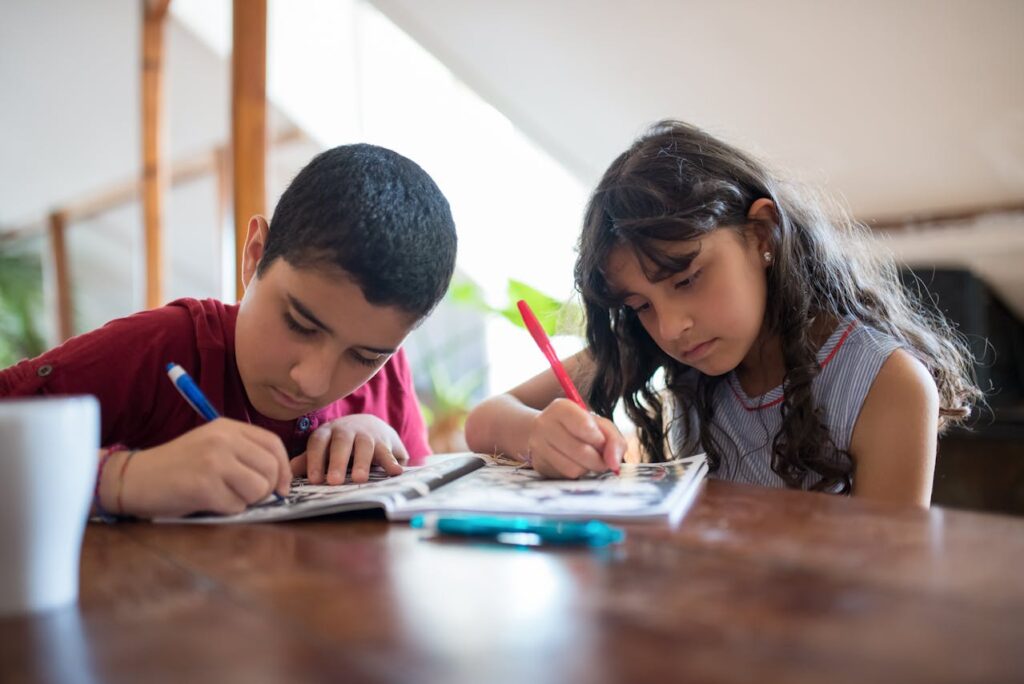
A productive summer vacation in Islam combines Islamic learning with useful worldly knowledge. This is an excellent time for children to explore interests that a crowded school schedule may not allow.
Parents and educators can also benefit from exploring the Prophetic Methods of Teaching, which offer timeless guidance for making children’s learning engaging, compassionate, and effective.
Useful summer learning may include:
- Qur’an recitation and memorization.
- Seerah and stories of the Prophets.
- Essential knowledge of purification, prayer, and daily manners.
- Arabic or another useful language.
- Reading age-appropriate books.
- Writing, public speaking, or research skills.
- Coding and responsible technology use.
- Cooking, gardening, budgeting, or basic household skills.
Give each child a goal that is specific and achievable. “Improve your Arabic” is too broad, while “learn and use 30 new Arabic words this month” is clear and measurable.
When children complete a course, project, or reading goal, recognize their effort. Encouragement and small rewards can help them associate beneficial learning with confidence and joy.
7. Choose Good Company and Safe Environments
Long periods of free time can expose children to harmful friendships, unsuitable online content, and unhealthy habits. Parents need to know whom their children spend time with, what they watch, and which digital spaces they enter.
This guidance should not feel like distant surveillance. It works best when parents build trust, explain the reasons for family rules, and keep communication open.
Islamic classes, Qur’an circles, sports clubs with suitable supervision, volunteering, and well-run youth activities can help children find positive company. A good environment protects their time while allowing them to develop socially.
Parents should also agree with children on clear screen boundaries, such as device-free meals, approved content, a nightly cut-off time, and a balance between online and physical activities.
8. Encourage Service and Responsibility
Productivity is not limited to academic achievement. Summer is a wonderful time to help children become useful and responsible members of their families and communities.
Age-appropriate responsibilities may include:
- Organizing their room.
- Helping prepare meals.
- Caring for a younger sibling under supervision.
- Assisting an elderly relative.
- Giving away toys or clothes they no longer need.
- Participating in a safe community service project.
These activities teach that a believer does not live only for personal comfort. Even small acts of service can nurture generosity, discipline, gratitude, and concern for others.
A Practical Weekly Summer Plan for Muslim Children
A successful plan should be flexible enough to survive real family life. Instead of scheduling every minute, build each day around five simple areas:
Area | Simple Daily or Weekly Goal |
|---|---|
Faith | Five prayers, daily adhkar, and a short Qur’an session |
Learning | One focused lesson, course, book, or skill activity |
Family | A shared meal, conversation, visit, or family project |
Health | Outdoor play, walking, swimming, or another physical activity |
Rest and fun | Free play, a hobby, a family game, or suitable entertainment |
A child does not need to complete every category perfectly every day. The purpose of the plan is direction, not pressure.
At the beginning of each week, parents can ask:
- What do we want to learn this week?
- When will we spend time with relatives or as a family?
- What enjoyable activity will we plan?
- How will we protect prayer and Qur’an time?
- What responsibility will each family member take?
At the end of the week, celebrate progress and adjust what did not work.
Common Mistakes to Avoid
While planning a productive Islamic summer, families should avoid a few common extremes:
Turning Vacation into Another School Term
Children need genuine rest. Too many classes and assignments can create frustration and make beneficial learning feel like punishment.
Leaving Every Day Unstructured
Complete freedom often becomes screen dependence, irregular sleep, and boredom. A light routine provides stability without becoming restrictive.
Setting Goals That Are Too Large
Unrealistic Qur’an, reading, or skill targets can discourage children. Begin with small goals and build gradually.
Focusing Only on Achievement
A summer filled with courses may still miss what children need most: closeness to Allah, warm family relationships, good character, physical activity, and joyful memories.
Expecting Children to Follow Rules Adults Ignore
If parents spend hours on their phones, delay prayer, or avoid family participation, children will notice. The strongest summer lesson is the example set by adults.
How Parents Can Keep Children Motivated
Children respond better when they help shape the plan. Offer limited choices: Which book would you like to read? Which sport would you like to try? Would you prefer Qur’an time after Fajr or after breakfast?
Use visual trackers for younger children and weekly goals for older ones. Praise consistency, effort, and improvement rather than comparing siblings. Small rewards may be used, but the deeper aim is to help children experience the peace of worship, the satisfaction of progress, and the joy of benefiting others.
Most importantly, make du‘a for Allah to bless their time, protect their hearts, and make faith beloved to them.
Conclusion
A productive summer vacation in Islam is not measured by how many courses a child completes or how full the family calendar becomes. Its success lies in balance.
When prayer remains central, Qur’an becomes a consistent companion, family bonds grow stronger, recreation stays lawful, useful skills develop, and children learn to serve others, the summer becomes both enjoyable and meaningful.
Parents do not need a perfect plan. They need a realistic direction, a good example, and steady encouragement. Even a few consistent habits can turn weeks of free time into memories and lessons that remain long after the vacation ends.
At Hasanat Academy, we help children use their time meaningfully through engaging online Qur’an and Islamic studies lessons delivered by qualified teachers. Summer is a valuable opportunity to strengthen your child’s recitation, knowledge, and connection with Islam while learning from home.
Reflection Question
Which area would make the greatest difference in your family this summer: a consistent Qur’an routine, less screen time, stronger family connection, learning a new skill, or more meaningful recreation?